Expired “Introduction to Microscopic Examination of Wastewater for Operators” In-person workshop, Meridian, ID; WW CEU
-
April 21, 2026
8:00 AM - 4:00 PM
Event Phone: 360-490-2426
We’ve met out minimum registration requirements
Registration Deadline: Noon pm April 20th, 2026
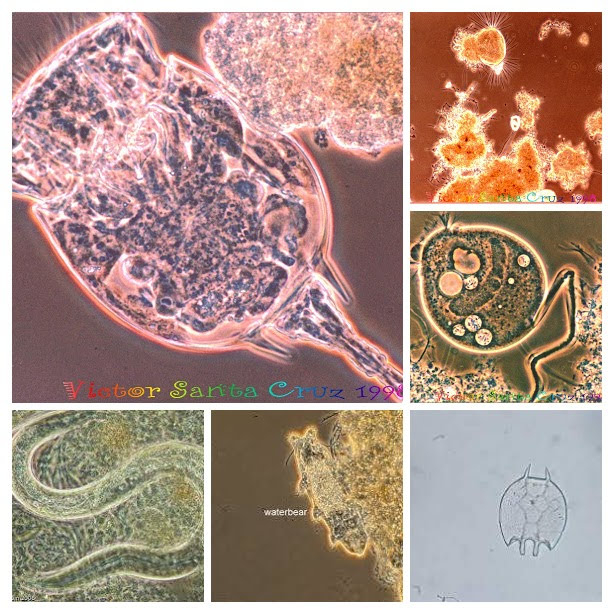
Microscopic examination of wastewater is an excellent tool for identifying a wastewater treatment process’ “health and condition”. Frequent microscopic examinations can provide valuable information about the condition of the microorganisms in the various phases of the treatment process and allow the operator to identify changes that may cause a plant upset or permit violations. Often, changes to the microbial conditions can be observed much earlier than physiochemical changes can be detected in the laboratory or visually in the field. Every wastewater treatment facility has its own unique set of challenges, but the basic principles of phase contrast microscopy do not change. A trained professional is capable of identifying what is going on in a system within a few minutes.
In this one day “Introduction to Microscopic Examination of Wastewater” workshop Victor Santa Cruz will share his extensive knowledge and experience as a Microbiologist in wastewater. He will explain the principles and techniques successfully utilized in microscopy and how to utilize this information to assess your wastewater treatment process. We project to a screen microscope slights of various wastewater samples demonstrating common microbes and filaments found in small wastewater treatment plants and lagoons. This workshop is designed for wastewater technicians and operators as well as laboratory personnel.
In this class Victor will:
- Explain the essential functions of the microscope as well as its parts, maintenance, set up, operation, and troubleshooting.
- Explain microbiological staining techniques.
- Discuss protozoans (ciliates, flagellates, and amoebas) and Metazoans (rotifers, water bears, Annelids, and Nematodes).
- Identify Norcadioforms, Microthrix parvicella, and other filamentous organisms as well as their impact on wastewater operations and control measures for their mitigation.
- Explore floc structure and its overall effects on solids separation problems and foaming.
- Discuss alkalinity and volatile acids and how these chemical parameters affect wastewater biology and vice versa.
- Explain the basics of nitrification / denitrification and introduces the principles of the biological degradation of nitrogenous components present in wastewater.
To assure the greatest benefits from this class we would like to ask you to bring your own wastewater treatment facility samples to the class. This will allow students to examine and discuss “real world” samples from other WWTPs.
The Southwestern Idaho Operator Section (SWIOS) of PNCWA is supporting this workshop and makes this class available for free to SWIOS, NIOS, SEIOS members and for $75 for non members.
Where: City of Meridian Wastewater Resource Recovery Facility, 3401 N Ten Mile Road, Meridian, ID 83646
Date: April 21, 2026
Time: 8am to 4pm Mountain Time (Lunch is provided)
Instructor: Victor Santa Cruz
CEUs: 0.7 WW CEUs
Fee: FREE for SWIOS, NIOS, and SEIOS members
$75 for non-SWIOS, NIOS, or SEIOS members
Click here to become a member of SWIOS or email SWIOSadm@gmail.com
Contact: info@pro-train.org or (360) 490-2426 for more information about the class
Click here for critical information on the registration process, online meeting links, and certificates of completion
Venue: City of Meridian, ID, WRRF
Venue Phone: 360-490-2426
Address: